The anion gap is a practical way to assess the balance of electrolytes in the blood and to aid in identifying certain types of acid base problems. In chronic kidney disease, it can give important clues about acidosis caused by metabolism, pH balance, and the extent to which the kidneys are handling acid and waste products. A basic blood test or an Anion Gap Calculator can help clinicians estimate whether the pattern of blood chemistry suggests a buildup of unmeasured anions, a different cause of acidosis, or a result that needs further expert review.
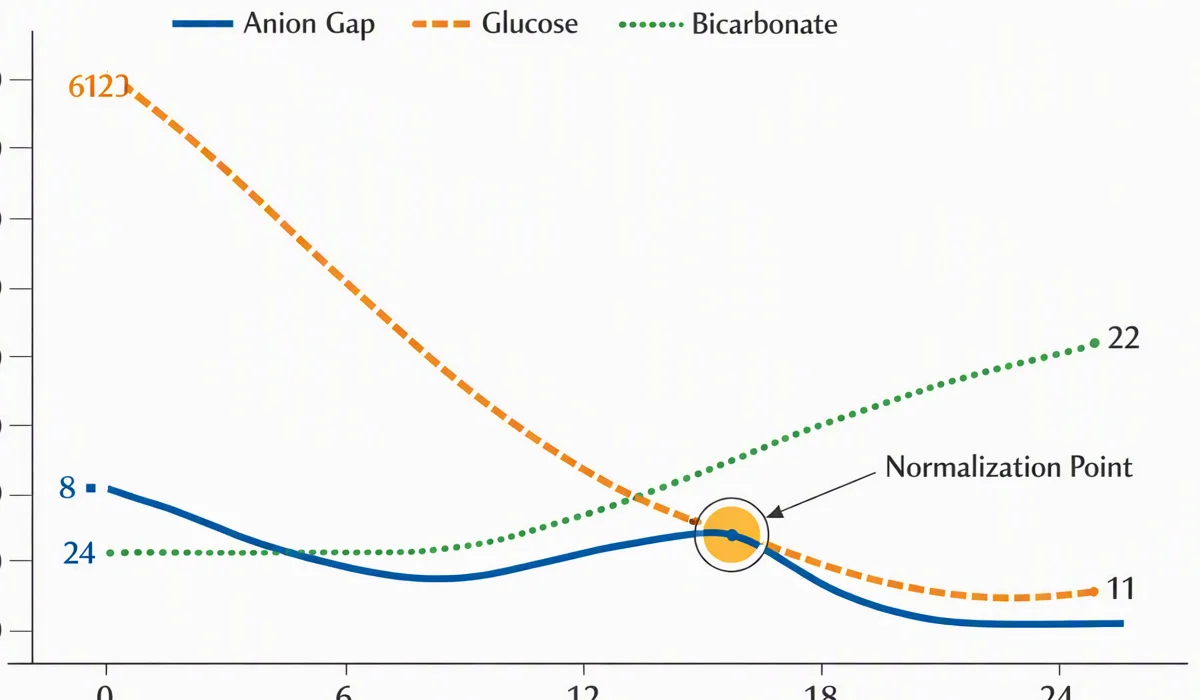
Although the concept can sound technical, the basic idea is easy to grasp: the body’s major charged particles should stay in equilibrium. When that balance shifts, the anion gap can increase, go down, or stay normal depending on the cause. In chronic kidney disease, those changes may reflect renal dysfunction, retention of acids, or other processes affecting blood chemistry.
What exactly the Anion Gap Measures
The anion gap is a calculated value that measures the difference between the main positively charged and negative substances in the blood. It is commonly derived from an electrolyte panel or more comprehensive blood chemistry testing. The most common elements are sodium, chloride, and bicarbonate, with potassium sometimes included depending on the formula used.
In practical terms, the anion gap helps assess the amount of unmeasured anions in the bloodstream. These are negatively charged substances that are not directly reported on a standard lab test but still influence acid-base status. Examples include proteins, phosphates, sulfates, and certain acids that can accumulate during illness. Because the calculation is indirect, it is best understood as a diagnostic marker rather than a diagnosis by itself.
The classic anion gap calculation is:
Anion gap = Sodium − (Chloride + Bicarbonate)
Some versions also include potassium, which slightly changes the result. That is one reason an Anion Gap Calculator can be helpful: it uses the chosen formula consistently and reduces arithmetic errors when reviewing lab values.
For most people, the anion gap is a window into the body’s electrolyte imbalance and overall acid-base balance. When the gap increases, it often suggests that extra acids or acid-related substances are present. When it decreases, the issue may involve low proteins, measurement differences, or less commonly unusual blood chemistry patterns.
The reason the Anion Gap May Vary in Chronic Kidney Disease
Chronic kidney disease changes how the kidneys remove waste and control acids. As kidney function decreases, the body may have trouble removing acid and maintaining normal acid-base balance. This can lead to metabolic acidosis, especially when the kidneys can no longer expel enough acid or regenerate enough bicarbonate to sustain daily acid production.
One important concept is acid retention. Healthy kidneys remove acid byproducts of metabolism. With renal impairment, those byproducts can collect. Over time, this boosts the likelihood of a higher anion gap because more unmeasured anions are present in the blood.
That said, chronic kidney disease does not always cause the same acid pattern. Some people develop high anion gap metabolic acidosis, while others have normal anion gap metabolic acidosis. The difference is influenced by how advanced the kidney disease is, how much acid has accumulated, whether bicarbonate is being lost through other pathways, and whether another problem is contributing to the disturbance.
In earlier stages of CKD, a normal anion gap pattern may appear if the body is losing bicarbonate without yet accumulating large amounts of unmeasured acids. In more advanced disease, uremia and retained metabolic waste can drive the anion gap upward. This is why clinicians look at the full set of blood test results rather than relying on one number alone.
Typical, Decreased, and Elevated Anion Gap Values
The reference range for the anion gap can differ by laboratory because various analyzers and formulas are used. In many settings, the reference range is roughly within the lower teens, but the exact cutoff should always be read using the lab’s own benchmark. A result outside the expected range does not automatically mean disease; it indicates the value needs careful interpretation.
A high anion gap usually means that more acids or acid-related substances are present in the blood. Common causes include acid-base acidosis from kidney failure, lactic acid buildup, ketoacidosis, or toxin exposure. In CKD, a rising gap often reflects accumulated acidic waste and reduced ability to clear it.
A decreased anion gap is less common. It may be seen with low serum albumin, lab variation, or certain unusual conditions affecting blood proteins or measurement. Because albumin carries negative charge, low albumin can reduce the apparent gap even when acid-base issues are present. This is why hypoalbuminemia matters so much in interpretation.
It helps to think of the anion gap as a clue, not a verdict. A value that looks normal may still hide an acid-base problem if albumin is low. A value that looks high may reflect true accumulation of acid, but the cause still needs to be determined. That is where careful clinical interpretation becomes essential.
In what way an Anion Gap Calculator Is Applied
An Anion Gap Calculator is a useful resource for efficiently performing the anion gap calculation from available lab values. It typically uses sodium, chloride, and bicarbonate, and some versions also allow potassium to be included. The calculator can be especially helpful when reviewing an electrolyte panel or interpreting intricate serum chemistry results.
Using the calculator is simple:
- Input the measured sodium value. Input the chloride value. Enter the bicarbonate value. Include potassium if the formula being used includes it. Review the result against the lab’s reference range.
In real clinical work, the calculator is not used in isolation. It is part of a larger review of the acid-base disorder, the patient’s symptoms, and other markers of kidney and metabolic health. For example, a low bicarbonate level with a high anion gap might suggest one type of metabolic acidosis, while low bicarbonate with a normal gap may point to a different process.
The calculator also supports uniformity. Different formulas and slight measurement differences can affect the result, so a tool that clearly shows the inputs can improve the reliability of the initial screen. Still, the number itself is only the first step of interpretation. The surrounding context, including kidney dysfunction and overall blood chemistry, determines what the result means.
Typical Causes of Raised Anion Gap in CKD
In chronic renal disease, an raised anion gap often reflects uremia, the buildup of waste products that healthy kidneys would normally clear. These leftover compounds add to the pool of unmeasured anions, contributing to high anion gap metabolic acidosis. As renal failure progresses, acid handling becomes less efficient, and the blood may become progressively acidic.
However, CKD is not the only likely explanation. Other causes can overlap with kidney disease and intensify the result. Common examples include:
- Lactic acidosis, which can occur when tissues are under stress or not getting enough oxygen. Ketones, which rise in states such as diabetic ketoacidosis or prolonged fasting. Toxins, including certain ingestions that alter blood chemistry and increase acid load.
These factors are important because they can occur with CKD. A person with chronic kidney disease may have a high anion gap due to reduced clearance of acids, but another trigger can increase it more. That is why the pattern is considered a diagnostic marker rather than a complete answer. Clinicians use the result to inform the next step in evaluation, not to stop at the number alone.
The underlying theme is metabolic acid load. When the body produces more acid than it can dispose of, or when the kidneys cannot clear what is produced, the balance shifts. The anion gap helps show that shift early enough to support treatment planning and monitoring.
Adjusting the Anion Gap for Albumin
One important step of the most important improvements in interpretation is albumin adjustment. Because serum albumin is a major negatively charged protein in the blood, low albumin can make the anion gap look lower than it truly is. This matters especially in sick patients and in people with hypoalbuminemia.
When albumin is low, the measured anion gap may underestimate the amount of acid present. A corrected anion gap adjusts for that effect so the clinician can better estimate the true acid burden. Without this adjustment, a person with CKD and low albumin might appear to have a normal gap even though significant metabolic acidosis is present.
The specific correction method can change, but the principle is the same: lower albumin reduces the apparent gap, so the observed number should be adjusted upward when albumin is below normal. That is why a good Anion Gap Calculator may include an option for albumin adjustment or, at minimum, remind users to consider it separately.
Albumin correction is especially useful when evaluating acid-base patterns in chronic illness, because hypoalbuminemia can coexist with renal impairment, malnutrition, inflammation, or other conditions that influence blood chemistry. Adjusting the result can change how the clinician views the severity and type of acid-base disturbance.
How Clinicians Assess the Result
Healthcare providers evaluate the anion gap as part of a full acid-base evaluation. They look at the computed number, the bicarbonate value, the chloride value, the patient’s general condition, and whether there is evidence of electrolyte imbalance or other metabolic issues. The purpose is to determine whether the pattern fits an acid-base disorder and what is causing it.
In chronic renal disease, a high gap may support the presence of acid retention and progressive kidney failure. A normal gap does not exclude important acidotic states, especially if bicarbonate is low. This may instead indicate normal anion gap metabolic acidosis, which can occur when bicarbonate is lost or replaced by chloride in a way that maintains the measured gap.
That distinction is important because it alters the likely causes and the diagnostic path. As an example, a elevated gap may prompt clinicians to consider uremia, lactic acidosis, ketones, or toxins. A typical gap pattern may prompt them to focus more on bicarbonate loss, medication effects, or tubular handling of acid and chloride. In either case, the result guides diagnosis and treatment planning.
Analysis also considers adaptive processes into account. The body may modify breathing and fluid handling in response to acid base changes. Such compensatory mechanisms can change symptoms and laboratory patterns, so the anion gap should be looked at alongside the rest of the overall clinical picture rather than as a separate answer.
When You Should Seek Medical Evaluation
Individuals with chronic kidney disease should obtain medical evaluation if they notice problems that could reflect increasing acidosis or a major electrolyte issue. Alert signs may include shortness of breath, pronounced fatigue, confusion, an upset stomach, weakness, or a general sense that something is not right. These symptoms are not uniquely tied to the anion gap, but they can point to a need for timely review of blood test results.
If a new lab report shows an elevated anion gap, especially along with reduced bicarbonate or indications of worsening kidney function, it should be brought up with a clinician. The same is true if there is known renal impairment and symptoms are shifting. In some cases, the issue may be minimal and monitored through observation. In others, it may point to a more immediate acid-base disorder that needs care.
Do not rely on a calculator on its own if symptoms are present. The lab test result is one piece of the evaluation, and clinical review is needed to relate the value to the person’s condition. The most important step is understanding whether the result represents a consistent ongoing pattern or a new and potentially concerning shift in acid-base balance.
FAQ
What is the anion gap in chronic kidney disease?
The anion gap in chronic kidney disease is a calculated blood value used to judge acid-base balance. It can show whether there is a accumulation of unmeasured anions related to acid retention, metabolic acidosis, or other factors. In CKD, it is often used as a clue to help interpret kidney-related blood chemistry variations.
Why does chronic kidney disease cause a high anion gap?
Chronic kidney disease can cause a high anion gap because reduced kidney function leads to retention of acids and other waste materials. This buildup, often called uremia, increases the number of unmeasured acids in the blood and can result in high anion gap metabolic acidosis. Other problems such as lactic acidosis, ketones, or toxins can also play a role.
Can the anion gap be normal in chronic kidney disease?
Yes. The anion gap can be normal in chronic kidney disease, especially when the acid-base pattern is normal anion gap metabolic acidosis or when albumin is low and the result has not been corrected. A normal value does not exclude acidosis, so the full set of lab values and the patient’s overall condition need to be taken into account.
How do you determine the anion gap from lab values?
The usual calculation is sodium minus the total of chloride and bicarbonate: anion gap = sodium − (chloride + bicarbonate). Certain equations also include potassium. An Anion Gap Calculator can calculate it automatically from the available electrolytes and help reduce errors when reviewing the electrolyte panel.
Why is albumin correction important when interpreting the anion gap?
Albumin correction is important because serum albumin is negatively charged, and low albumin can make the anion gap appear falsely low. In people with hypoalbuminemia, the measured value may fail to show an underlying acid problem unless a corrected anion gap is Go to the website used. This adjustment improves clinical interpretation and helps reveal the true acid burden.